The Kaikki Töihin 26 (“Everyone to Work 26”) event brought together approximately 300 participants at Metropolia University of Applied Sciences’ Myllypuro campus in March. Held for the fourth time, the event was once again larger than ever before, with attendance increasing significantly from the previous year. This growth is no coincidence. It reflects long-term collaboration, network-building, and the clear need to promote employment opportunities for people with partial work ability.
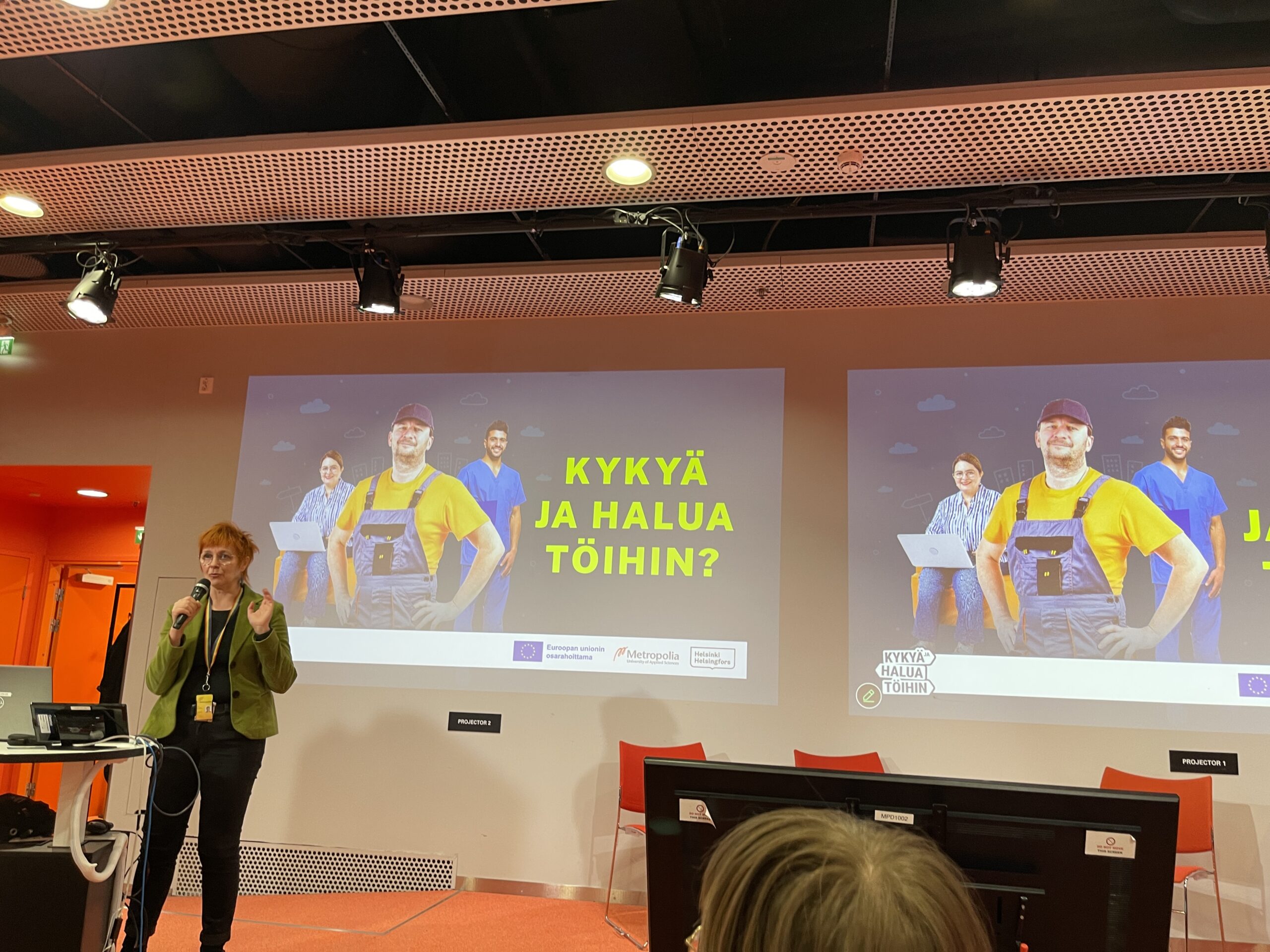
At the heart of the event were encounters between job seekers, employers, job coaches, organizations, and project professionals. The seminar featured presentations on diversity in working life, partial work ability, and practical ways to create a more inclusive labour market for people with different backgrounds and needs.
The atmosphere throughout the day was open and conversational. After the seminar, discussions continued in the hallways and exhibition areas as participants exchanged contact information and explored new opportunities for cooperation and employment.
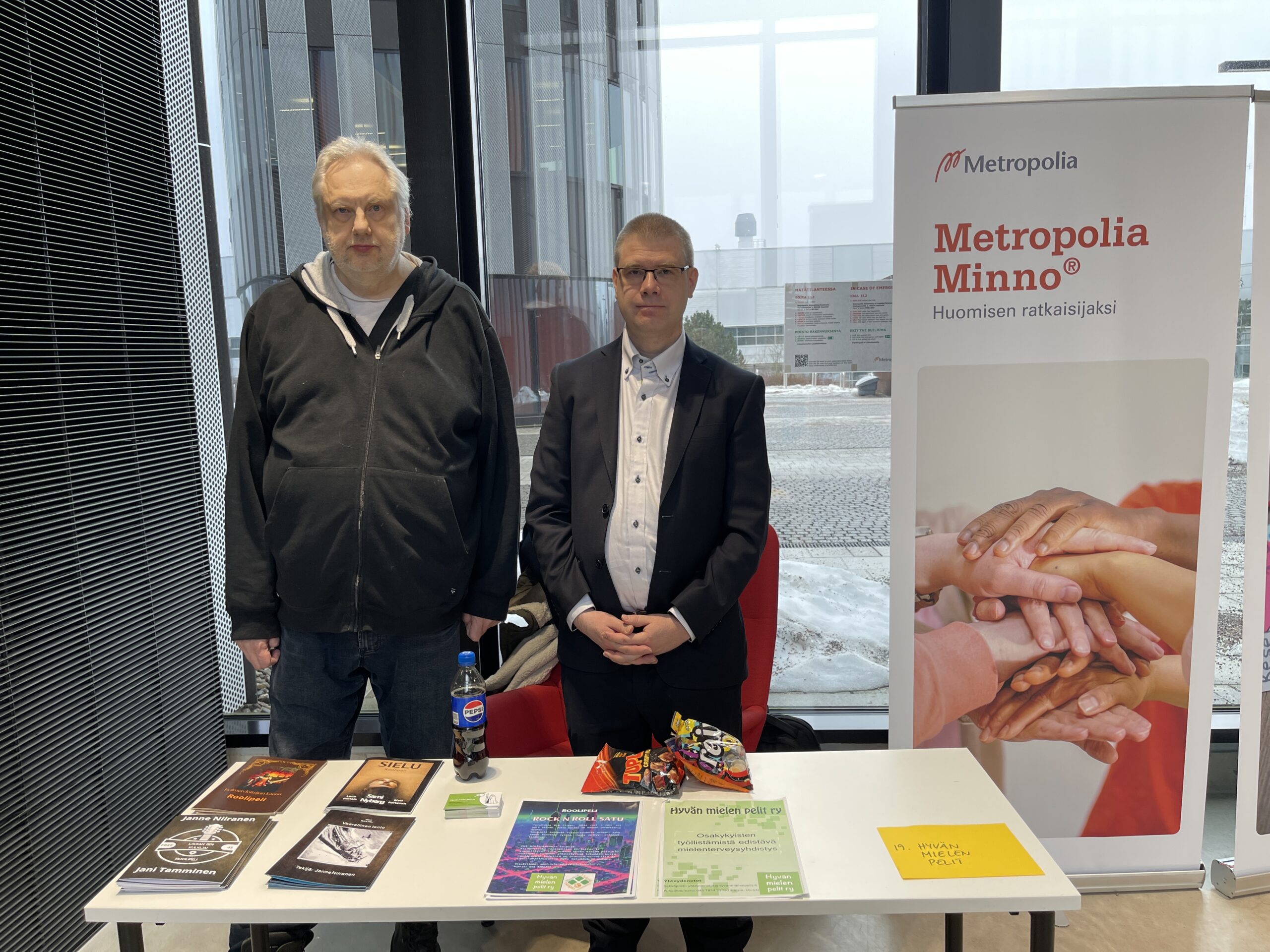
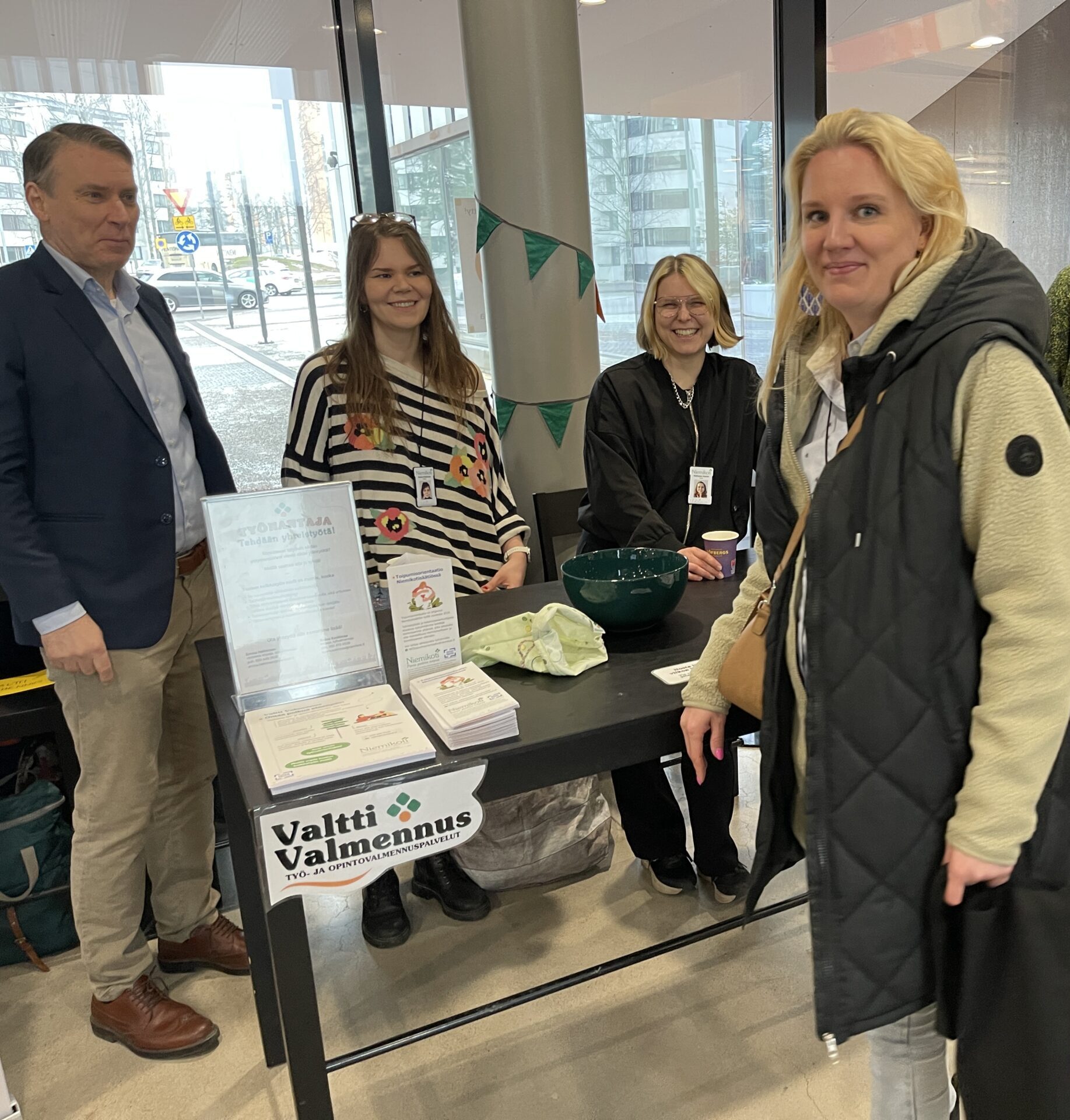
The event was organized by Niemikotisäätiö’s Valtti Valmennus together with Remmi Työpalvelut Oy, EskoTyö and Eskot ry, the Vates Foundation, Vamlas Support Foundation, Helsinki Employment Services, the City of Helsinki’s IPS Employment Coaching service, and Metropolia University of Applied Sciences, which provided the venue and participated through the Ability and Will to Work project. The event was hosted, as in previous years, by Metropolia’s Ulla Vehkaperä.
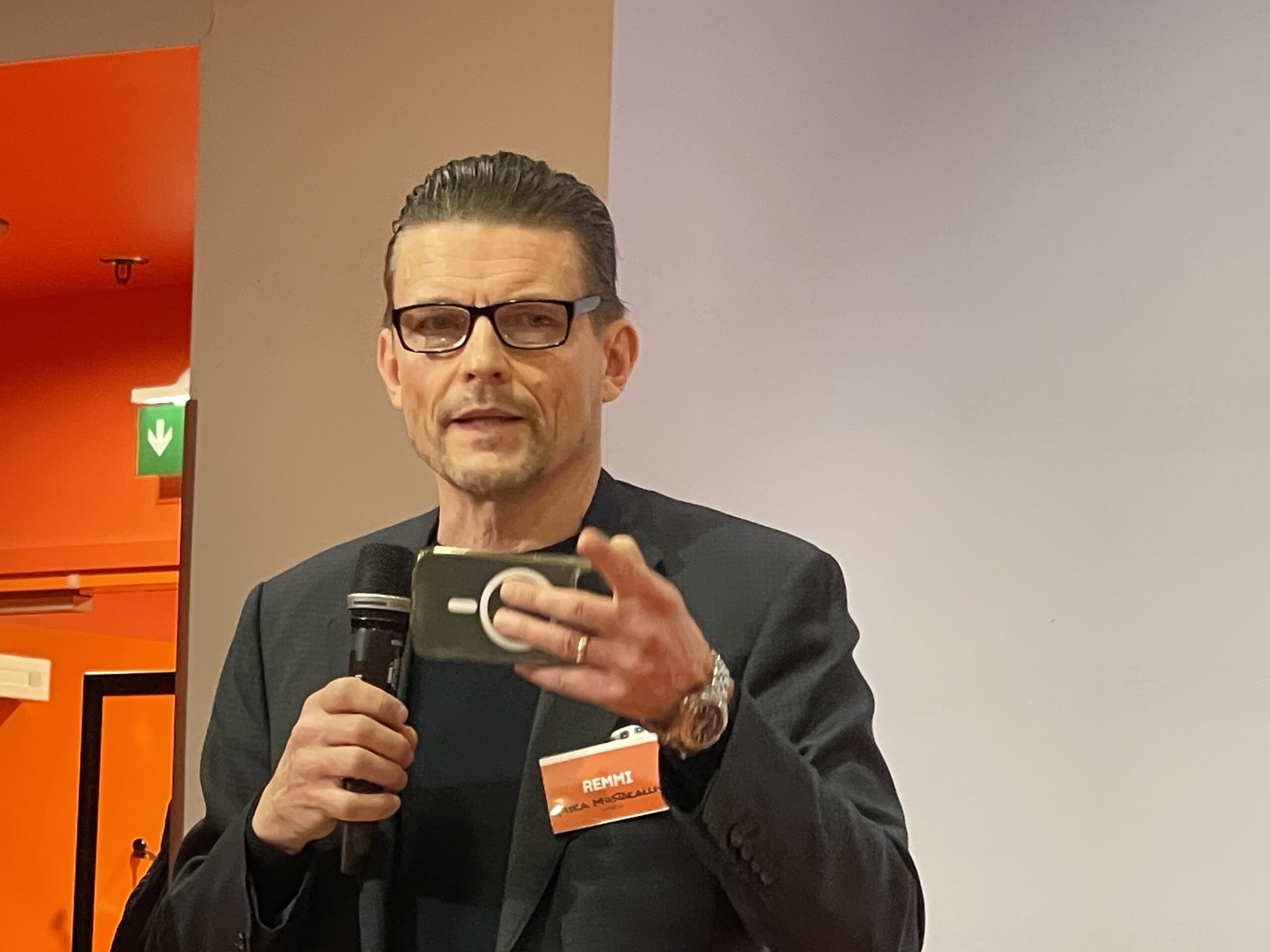
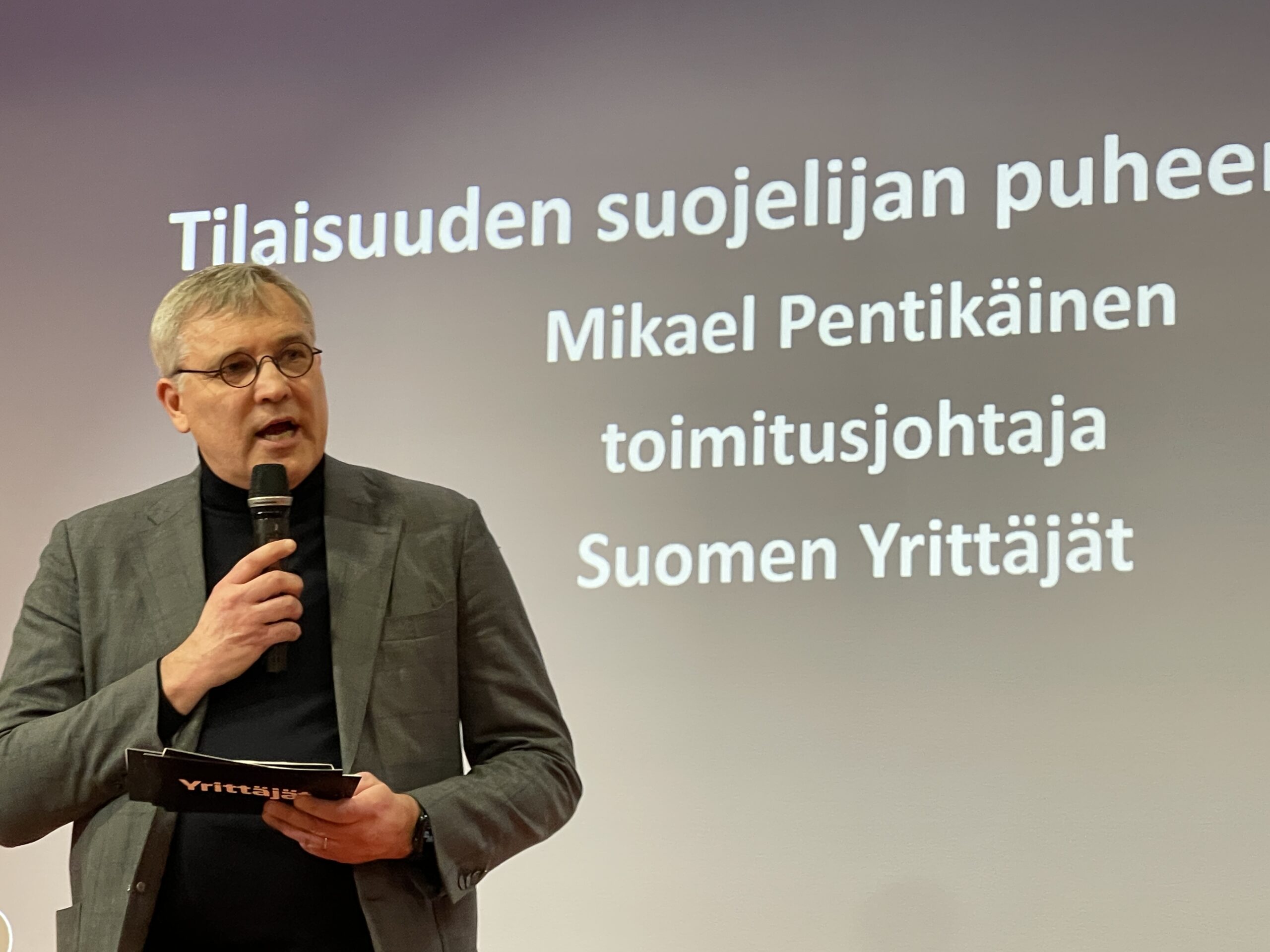
The opening speech was delivered by Mika Mustakallio from Remmi Työpalvelut Oy. The event’s patron, Mikael Pentikäinen, CEO of the Federation of Finnish Enterprises, highlighted the changing nature of working life and emphasized the importance of companies recognizing a wider range of talent and skills.
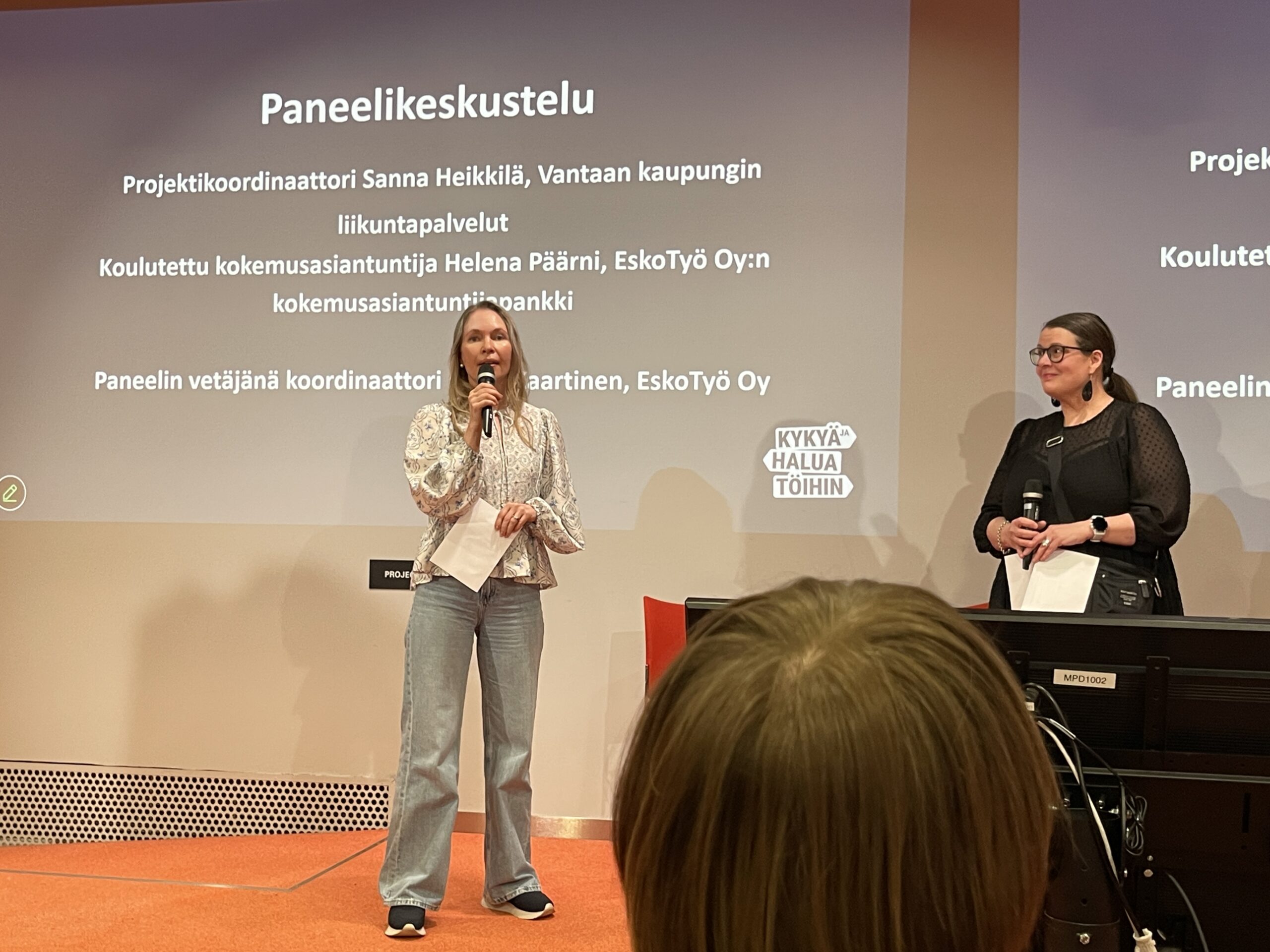
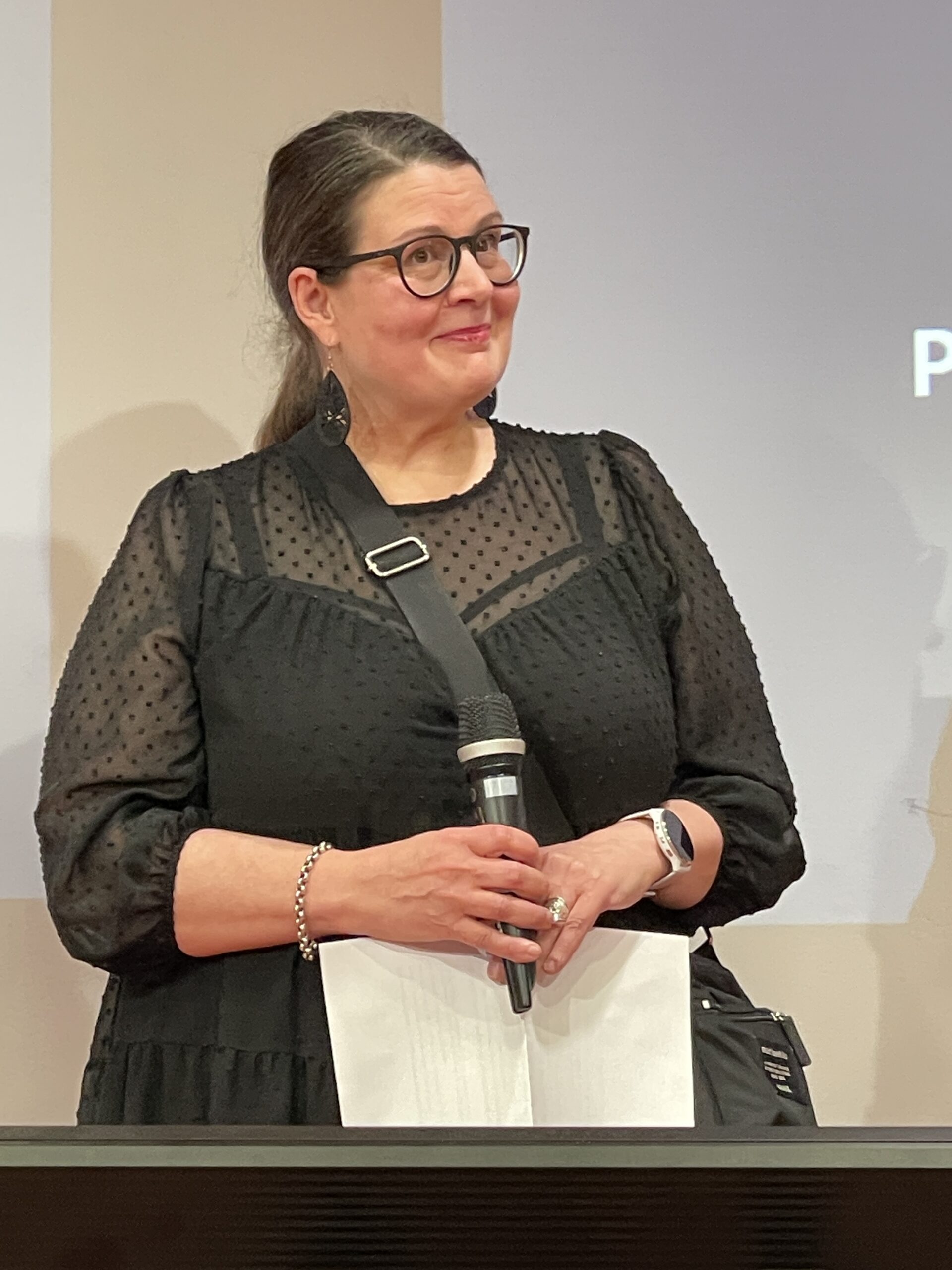
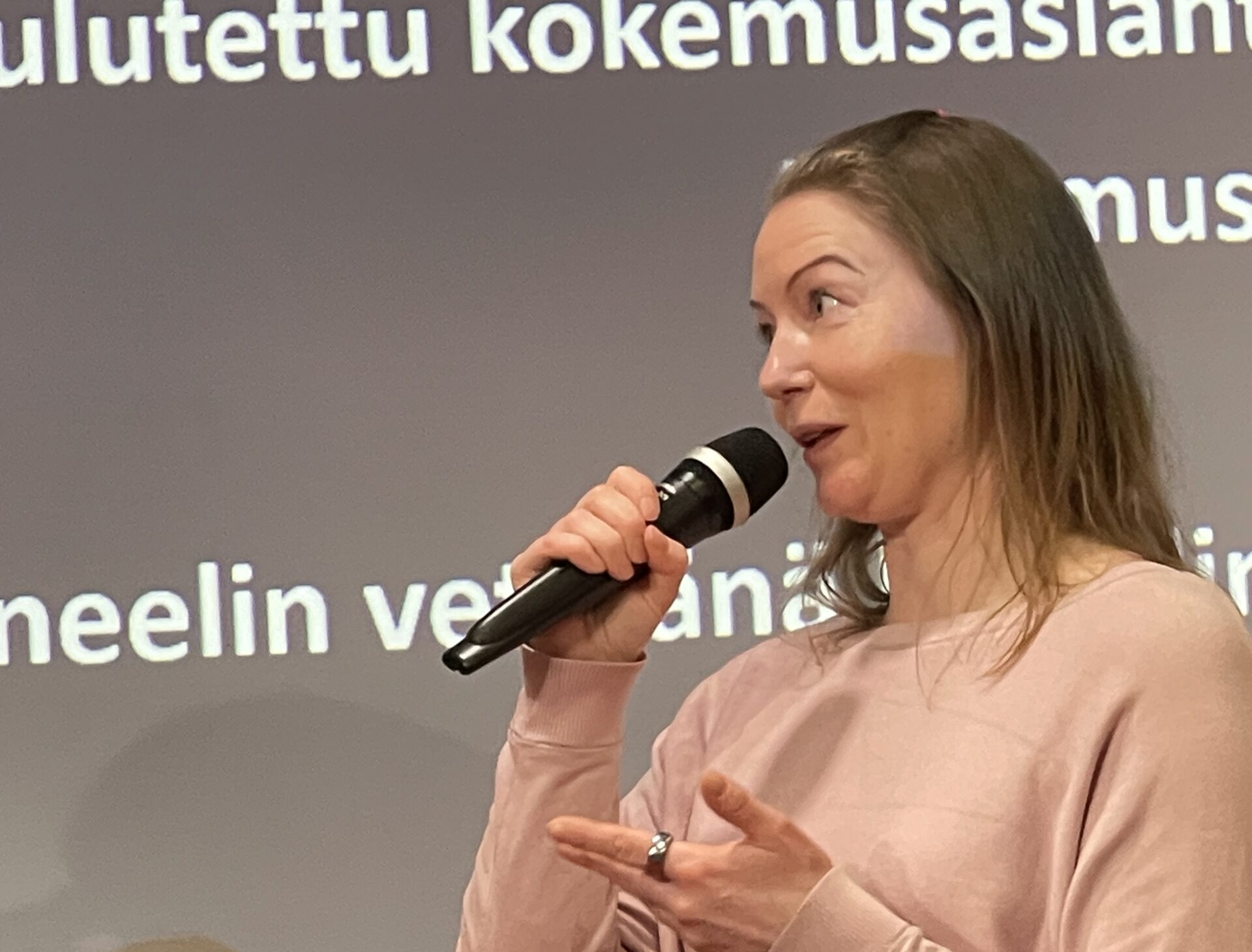
The first panel discussion featured practical experiences of employment and working life. Participants included Project Coordinator Sanna Heikkilä from the City of Vantaa Sports Services and trained Expert by Experience Helena Päärni from EskoTyö Oy’s Expert by Experience Network. The discussion was moderated by Niina Kaartinen, Coordinator at EskoTyö Oy.
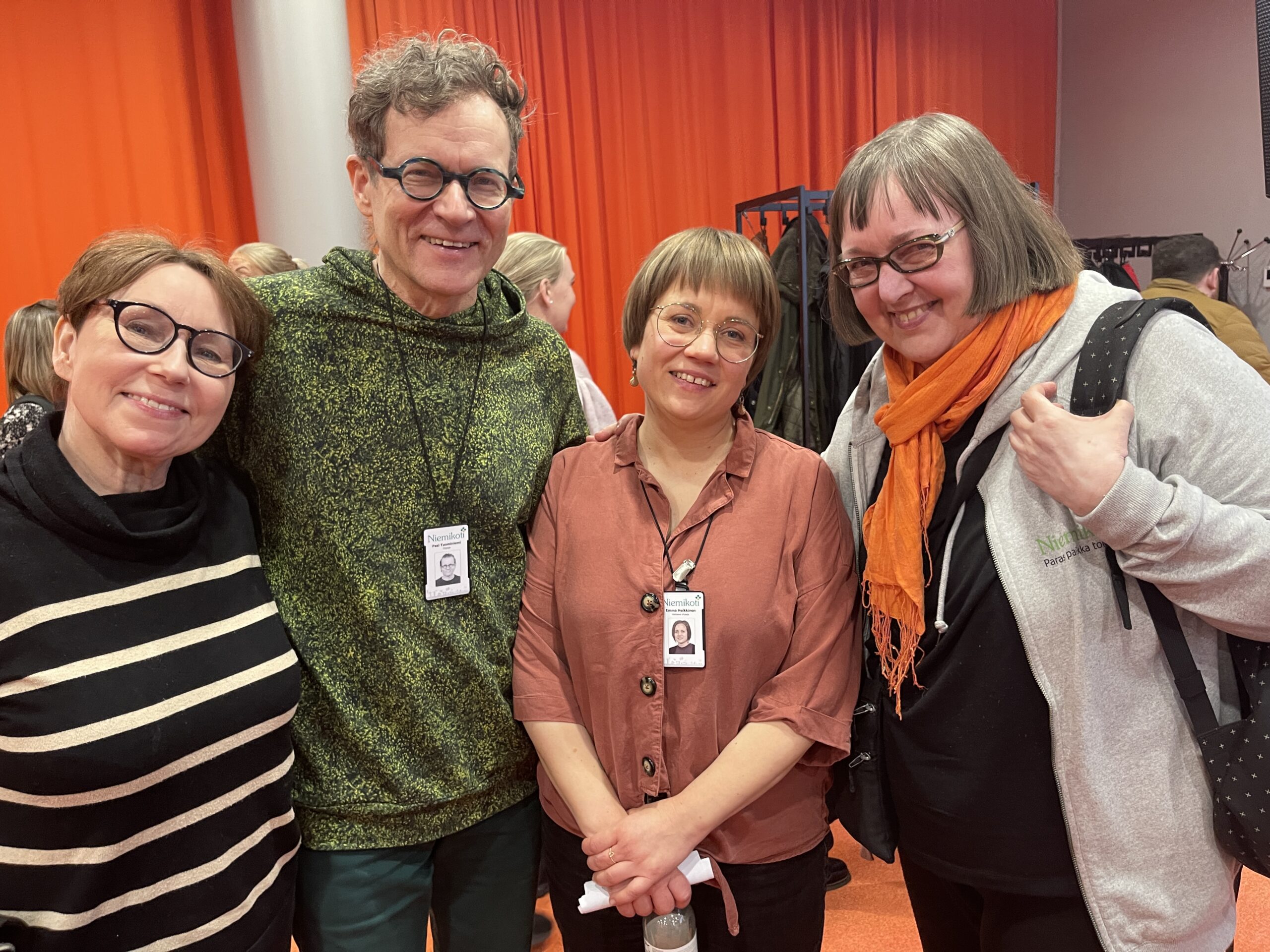
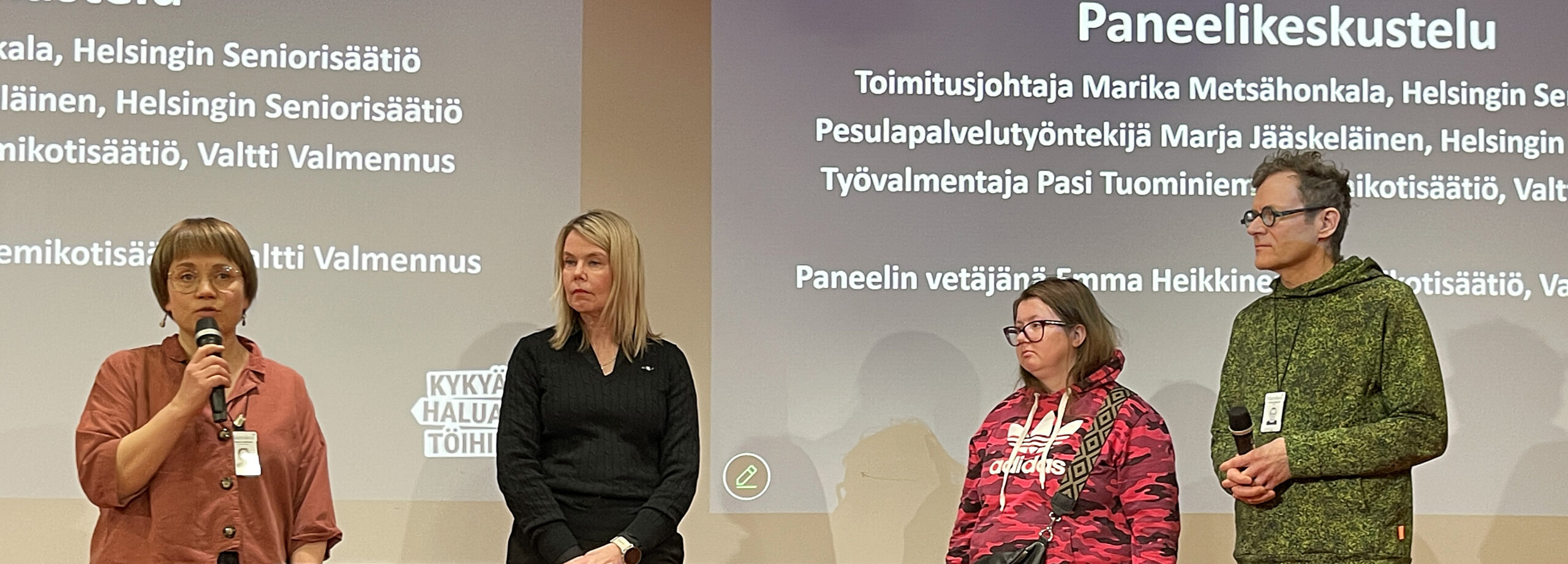
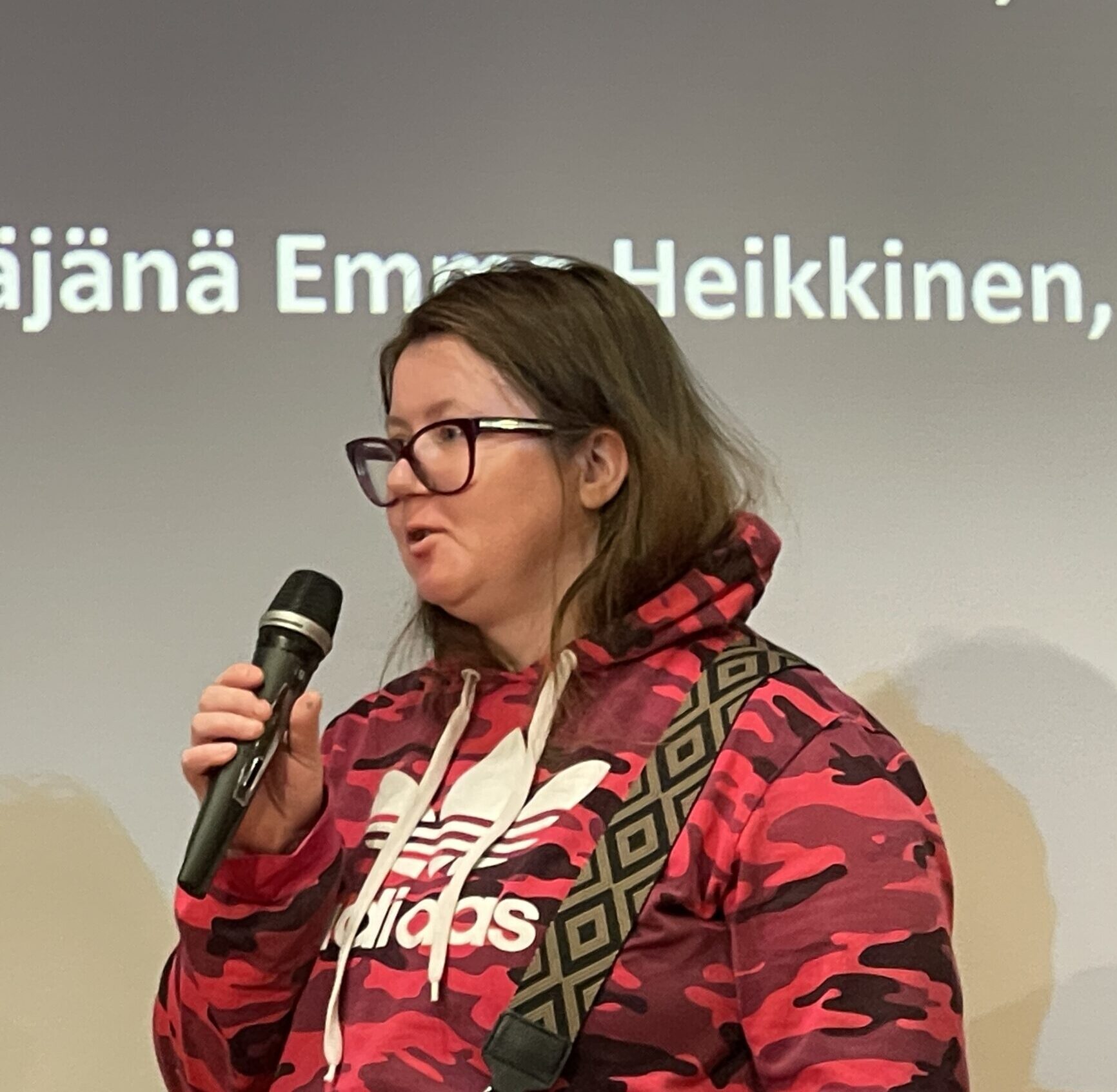
The second panel focused on cooperation between Niemikotisäätiö and the Helsinki Senior Foundation and explored how genuinely accessible pathways into working life can be created for different people. The panel included Marika Metsähonkala, CEO of the Helsinki Senior Foundation, Valtti Valmennus Job Coach Pasi Tuominiemi, Senior Instructor Emma Heikkinen, and Marja, who found employment through the Senior Foundation. The discussion highlighted the significant impact that timely support, meaningful encounters, and opportunities can have on employment and transitions into working life.
Long-Term Commitment Reflected in Growth
Kaikki Töihin was organized for the fourth time this year. The first event attracted around 50 participants, followed by 100 the next year, 200 last year, and more than 300 this spring.
This growth demonstrates that the event has found its place. At the same time, it shows that changing attitudes and developing new approaches require time, repetition, and continuous collaboration.
Many respondents highlighted the event’s genuine sense of purpose:
The impact of the event is not limited to a single day. Equally important are the later encounters, contacts, job interviews, and coaching processes that may begin as a result of the event. For example, Marja’s employment journey through Valtti Valmennus emphasized how important individualized support and guidance are during the job search process and the transition into working life.
However, this is not only about individual success stories. It is also about a broader change in mindset.
Kaikki Töihin 26 strongly highlighted the employer perspective: companies and organizations need to recognize more effectively the potential of people with partial work ability, reduced work capacity, and various support needs.
Many participants emphasized that this is not about charity. It is also about responsibility, access to skilled labour, and recognizing the significant untapped potential that still exists within the workforce. Increasing awareness of this issue is one of the event’s key objectives.
Impact Can Also Be Measured
The feedback collected suggests that Kaikki Töihin has had a meaningful impact on participants.
Most feedback came from job seekers, but responses were also received from job coaches, instructors, employers, students, and event organizers. The majority of respondents expressed interest in attending again next year.
In the recommendation survey, the event received excellent ratings. Most respondents rated their likelihood of recommending the event as 9 or 10 out of 10.
The seminar programme, networking opportunities, and the creation of a safe event environment were also largely rated as successful or very successful.
However, the impact of events like this cannot be measured solely through attendance numbers or survey responses. Important indicators also include:
- Were new contacts established?
- Did job seekers find services or employers?
- Did employers become more willing to recruit people with partial work ability?
- Did participants experience a sense of inclusion and hope?
- Were new forms of cooperation created between different organizations?
These are precisely the outcomes the event seeks to build.
Appreciation and Suggestions for Improvement
Feedback particularly praised the event atmosphere, seminar content, and opportunities for meaningful encounters.
Many participants appreciated that the event focused on practical opportunities rather than only discussing challenges.
At the same time, recurring suggestions for improvement included:
- A larger venue
- More employers
- More recruiting companies
- Quieter networking spaces
Although some participants felt that the hallway areas were crowded and noisy, the high attendance was also seen as evidence of the event’s genuine relevance. Many participants hoped to see more concrete job opportunities and greater visibility for wage-subsidized employment positions. The feedback also reflected a strong desire for the event to continue growing in the future.
The Work Continues
Kaikki Töihin 26 demonstrated that there is an increasing desire to discuss diversity in working life—and, above all, to develop practical solutions. Ultimately, the event’s greatest significance does not lie in any single presentation, but in bringing together different people and organizations around a shared goal.
As a result of long-term commitment, participation continues to grow, networks become stronger, and more people find hope, support, and new opportunities through the event. For that reason, planning for Kaikki Töihin 27 has already begun.