When Timo Heinilä started at the Niemikotisäätiö Foundation in 1996, the world looked very different in many ways. The internet was only just emerging, digital skills were not part of rehabilitation, and no one talked about digital inclusion.
Over the course of three decades, Heinilä has been involved in developing work that helps people find direction in their lives. In recent years, strengthening digital skills has become a key part of that work.
Now, after a long career, he is retiring.
Such long careers are rare in the social and health care sector today, but at Niemikotisäätiö they are not an exception. In this article, you will hear an experienced professional’s reflections on how the work, clients’ needs, and the entire operating environment have changed over the years—and which things have remained the same.
A New World at Eira Care Home
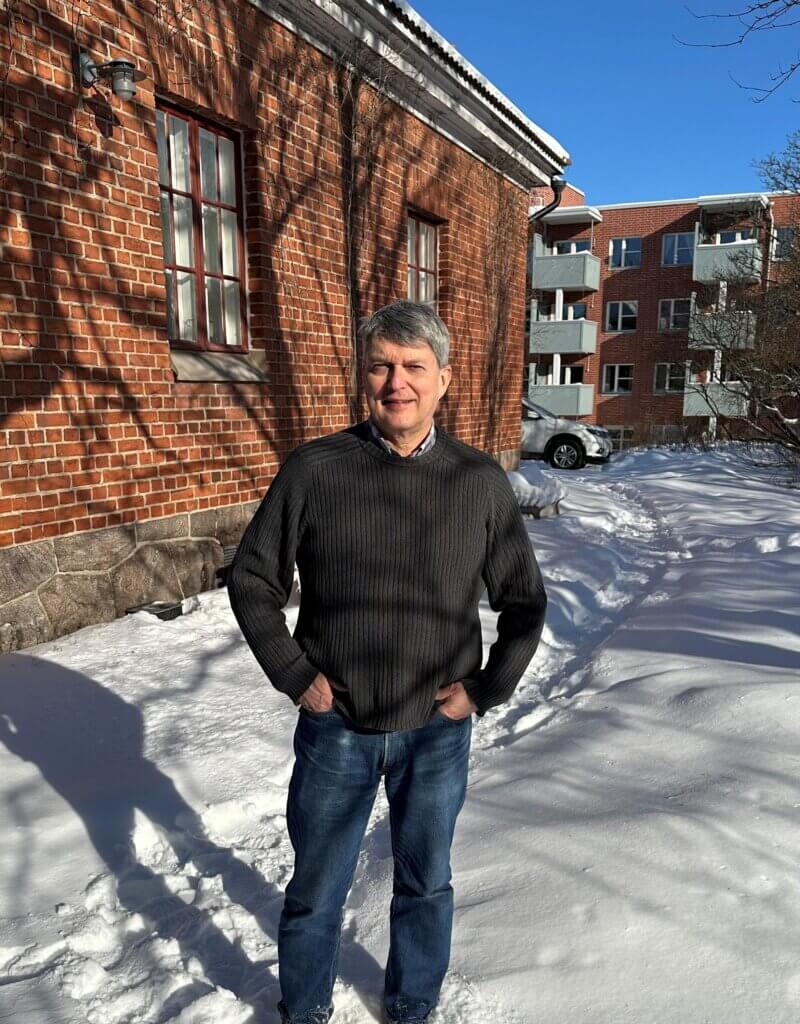
Heinilä’s career at Niemikotisäätiö began at the Eira care home in 1996.
“I saw a job advertisement in the newspaper for a housing unit for men with multiple challenges. I had no experience in outpatient psychiatric work. It was a completely new world.”
The work was demanding at times. The residents faced many different challenges, and everyday life included intervening in substance use and confiscating dangerous objects.
“It was an eye-opening experience. At times it felt like this was not rehabilitation work but simply surviving from one day to the next. But it was an important beginning for my career.”
After two years, Heinilä moved on to a role that would shape his career for a long time.
Building the Mieli Töihin Programme
In 1998, Heinilä joined the Mieli Töihin project. The initiative had begun as an EU-funded project exploring whether people recovering from mental health challenges could be supported in returning to working life.
“When I joined, the project was just ending. Jouni Nisula and I essentially started planning together how the activities could continue.”
Funding from the Finnish Slot Machine Association made it possible to develop the work in a more long-term way. In the early stages, external trainers were also involved, and job coach training brought additional expertise.
“It was a really interesting time. We were able to influence a lot what kind of work we did and how the activities were developed.”
Cooperation with the employment administration also brought coaching periods for long-term unemployed people. The team was multidisciplinary, and the content of the work was continuously developed.
“If something didn’t work, we changed it. That mindset has remained in client work to this day.”
Moving to the Fire Station and into Digital Skills
When project funding ended, the activities moved under city funding. At the same time, the Mieli Töihin programme relocated in 2010 to the fire station on Maistraatinkatu.
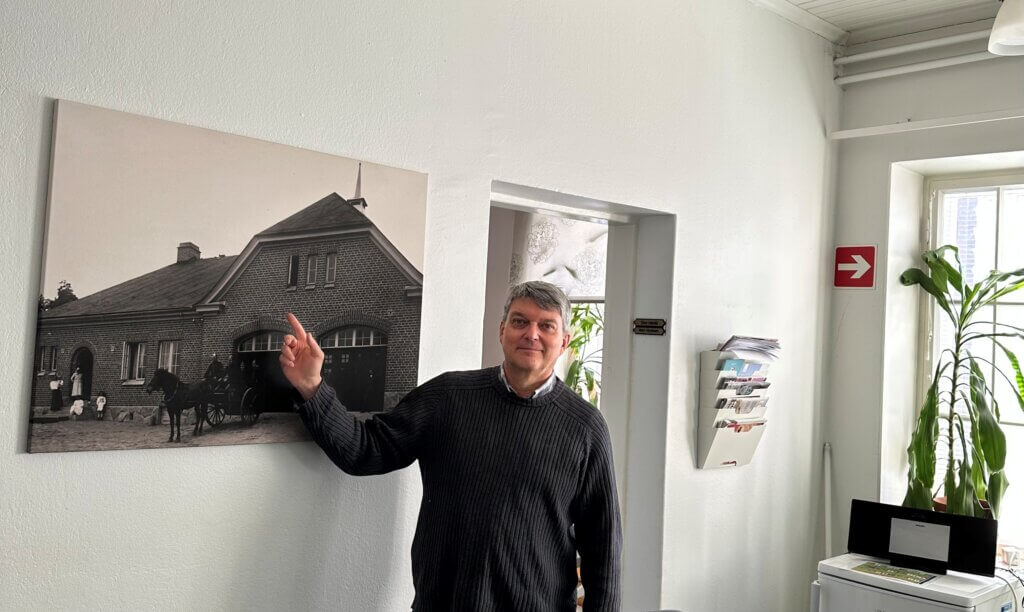
Over the years, the focus of the activities increasingly shifted toward strengthening digital skills.
“We combined job coaching with information technology. Digital skills were becoming an increasingly important part of everyday life and working life.”
A key role in this development was played by IT instructor Matti Laitila, who was responsible for computer training in the unit for many years and was an important member of the team.
For a long time, the unit organised IT driving licence examinations, of which hundreds—possibly even more than a thousand—were completed over the years.
Today, they have been replaced by TIEKE’s digital competence badges.
“They allow people to demonstrate IT skills at different levels. They are a good way to strengthen digital inclusion and show competence.”
Under Timo Heinilä’s leadership, Niemikotisäätiö has also introduced its own competence badges. Currently, the Digital Competence and Data Protection Competence badges are in use, and a Work Life Skills badge system is also being prepared.
Individual Support and Peer Support
Client work has changed over time. Previously, the activities mainly consisted of course-based group programmes, but today the focus is on individual support.
“People come here at individually agreed times. Some need a lot of support, while others work more independently.”
A particularly important service has become the micro-support service, where clients can quickly get help with digital problems. Peer support instructors also play a significant role.
“Without their contribution, we would not be able to offer such diverse services.”
Meeting People at the Core of the Work
Over thirty years, Heinilä has met an enormous number of people. According to him, the greatest lesson has been about encountering people.
“If you want to go deeper than the surface, you have to give people time. Trust is not built instantly.”
He also emphasizes the importance of humanity in the work.
“We are all on the same level. Even though you have a professional role, humanity is always present. When you are yourself, people sense it. That builds trust.”
According to Heinilä, recovery-oriented thinking has always been strongly present in the work, even though the terminology has changed over the years.
“People talk about recovery orientation now, but the basic principles have not changed. Meeting people, listening, building trust, and helping—those are the core of this work.”
A Change for the Work Community as Well
After such a long career, retirement brings many emotions.
“This is a somewhat strange emotional transition. I have been in this unit for so long that a lot of memories inevitably come to mind.”
Leadership of the Mieli Töihin coaching unit will pass to Anne Jukkara. According to Heinilä, the transition has been prepared well in advance.
“I told Anne that at first it’s worth taking time to get to know people and the activities. Once trust is built and the whole picture becomes familiar, it’s a good time to start moving things forward.”
The responsibilities of the process lead for work and coaching activities will transfer to Emma Heikkinen.
“Emma knows the foundation’s work well and has developed the activities in a determined way. I believe the work will remain in good hands.”
Nature, Exercise and Motorcycles
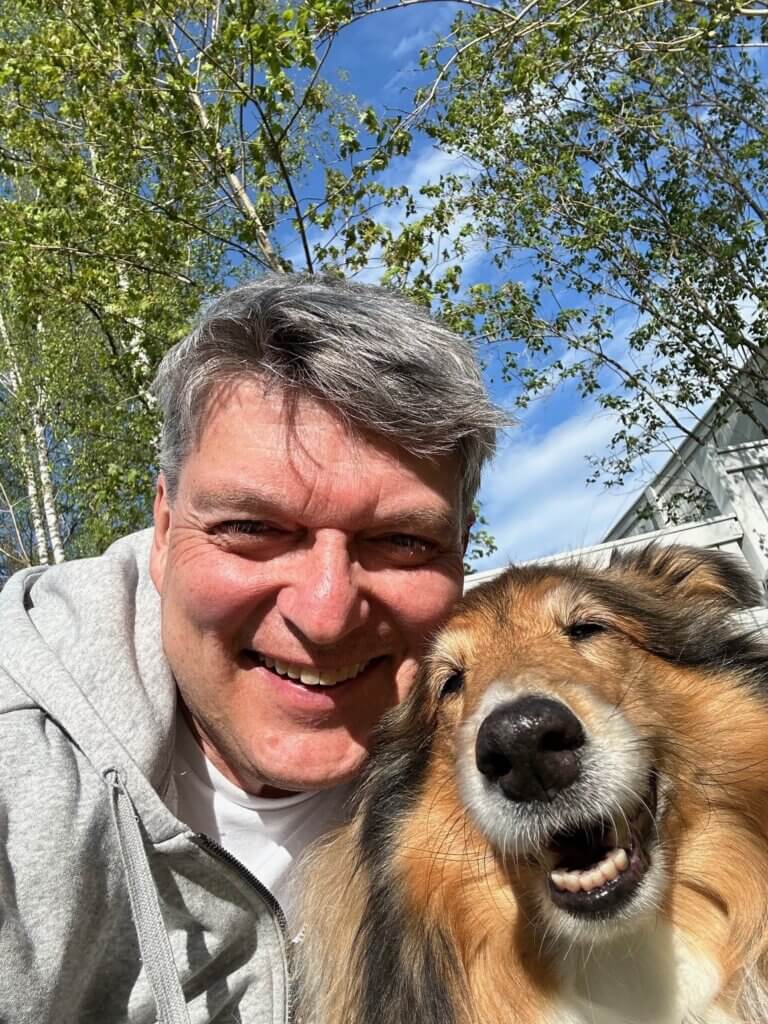
Outside work, Heinilä describes himself as a physically active person. Nature is an important way for him to recover.
“The best way for me to clear my mind is to go into the forest with my dog.”
Exercise is part of everyday life: cycling, walking and open-water swimming. Reading and music are also important. In the summer, however, one thing stands above the rest.
“I always look forward to the start of the motorcycle season. My brother and I are planning a longer trip to Southern Europe.”
What Will He Miss?
When moving into retirement, Heinilä believes he will miss the people the most.
“There is a really great work community at the foundation. Our own group here at the fire station is, of course, the closest.”
The working environment has also been unique.
“This old fire station has its own atmosphere. And the nature next to it—you get to watch it change from season to season.”
Courage to Try Something New
Finally, Heinilä wants to give advice both to clients and to employees.
“Make use of the foundation’s diverse services. It’s a great opportunity.”
His message to employees is clear.
“Be brave and try new things. Niemikotisäätiö offers many opportunities—it’s worth making use of them.”
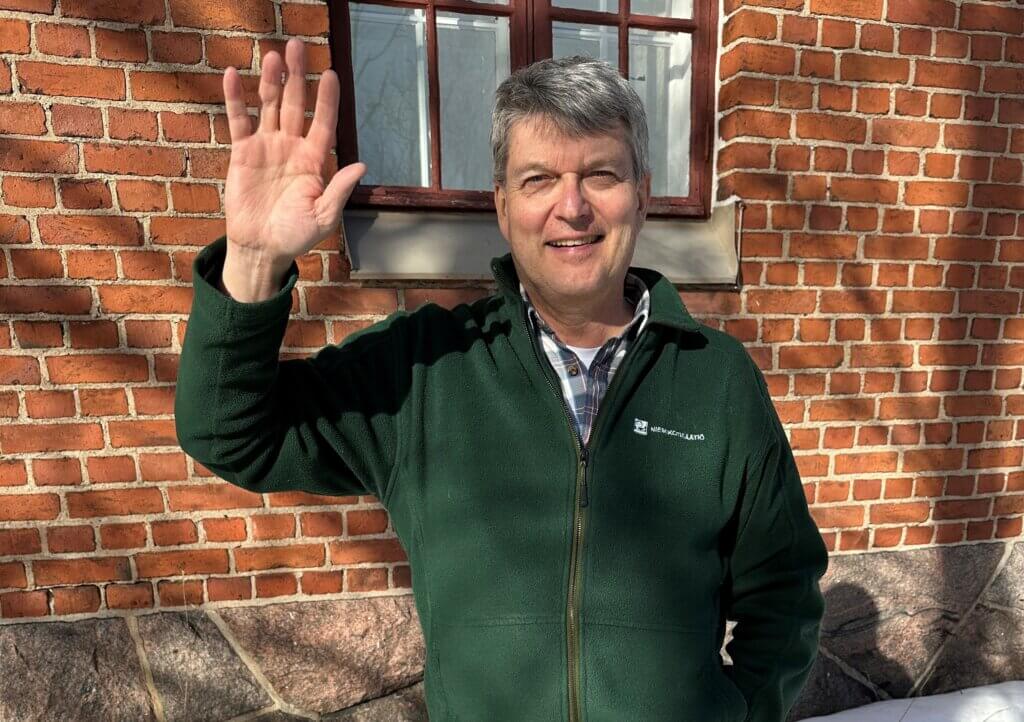
Thank you, Timo, for your valuable and long-term work for the benefit of people recovering from mental health challenges. We wish you rewarding retirement days—and the fire station doors are always open for a cup of coffee! ❤️